Planning a multi-city trip across Tanzania and Kenya sounds straightforward until you actually start mapping it out. Distances are bigger than they appear, routes don't always connect the way you expect, and a plan that looks perfect on paper can feel rushed once you're on the ground.
The difference between a trip that flows well and one that feels tiring usually comes down to how you move between places. In this region, that's not a small detail; it shapes the entire experience. And this is where regional airlines like Flightlink quietly become an important part of how well your itinerary works.
A lot of travellers begin by listing destinations; Serengeti, Maasai Mara, Zanzibar, Nairobi which are fine. But what matters more is how these places connect in reality.
For example, pairing Maasai Mara - Arusha - Serengeti - Zanzibar works well because you're moving in a natural direction across the region. Trying to jump back and forth between Kenya and Tanzania without a clear flow is where itineraries start to break down.
Most well-paced trips in this region tend to follow a pattern:
Most well-paced trips in this region tend to follow a pattern:
Once you build around that structure, everything else becomes easier.
This is the part many people underestimate.
On a map, distances don't look too bad. But in reality:
That's why most experienced travellers and operators on the ground rely on regional flights to connect key points.
Flying with a regional airline like Flightlink changes the pace completely. Instead of planning entire days around travel, you're looking at 40-90 minute flights that land much closer to where you actually need to be, often at or near safari airstrips rather than distant city airports.
One of the most common issues with multi-country trips here is backtracking.
A cleaner route might look like this:
This works not because it's popular, but because it avoids unnecessary movement. Each leg leads naturally into the next.
With regional flight networks connecting these points, you're not looping back or losing time in transit.
Seasonality here doesn't just change what you see, it changes how easy it is to move around.
If you're planning a multi-stop itinerary, it's worth aligning your route with where wildlife activity actually is during that time, not just picking destinations in isolation.
Because you're moving between very different environments, packing needs to be practical.
You'll likely go from:
A few practical things that matter here:
This isn't about over-preparing; it's about avoiding small issues that can slow you down mid-trip.
Cross-border travel is fairly routine here, but it works best when it's planned properly.
You'll need:
While overland crossings are possible, they can take time depending on the route. Flights between hubs like Nairobi and Arusha tend to be more predictable and easier to manage within a tighter itinerary.
It's easy to overfill an itinerary here, especially when everything feels like a must-see.
But in practice, the best trips are the ones where:
This is where having reliable, well-timed flight connections makes a real difference. You're not cutting safaris short or rushing through destinations just to stay on schedule.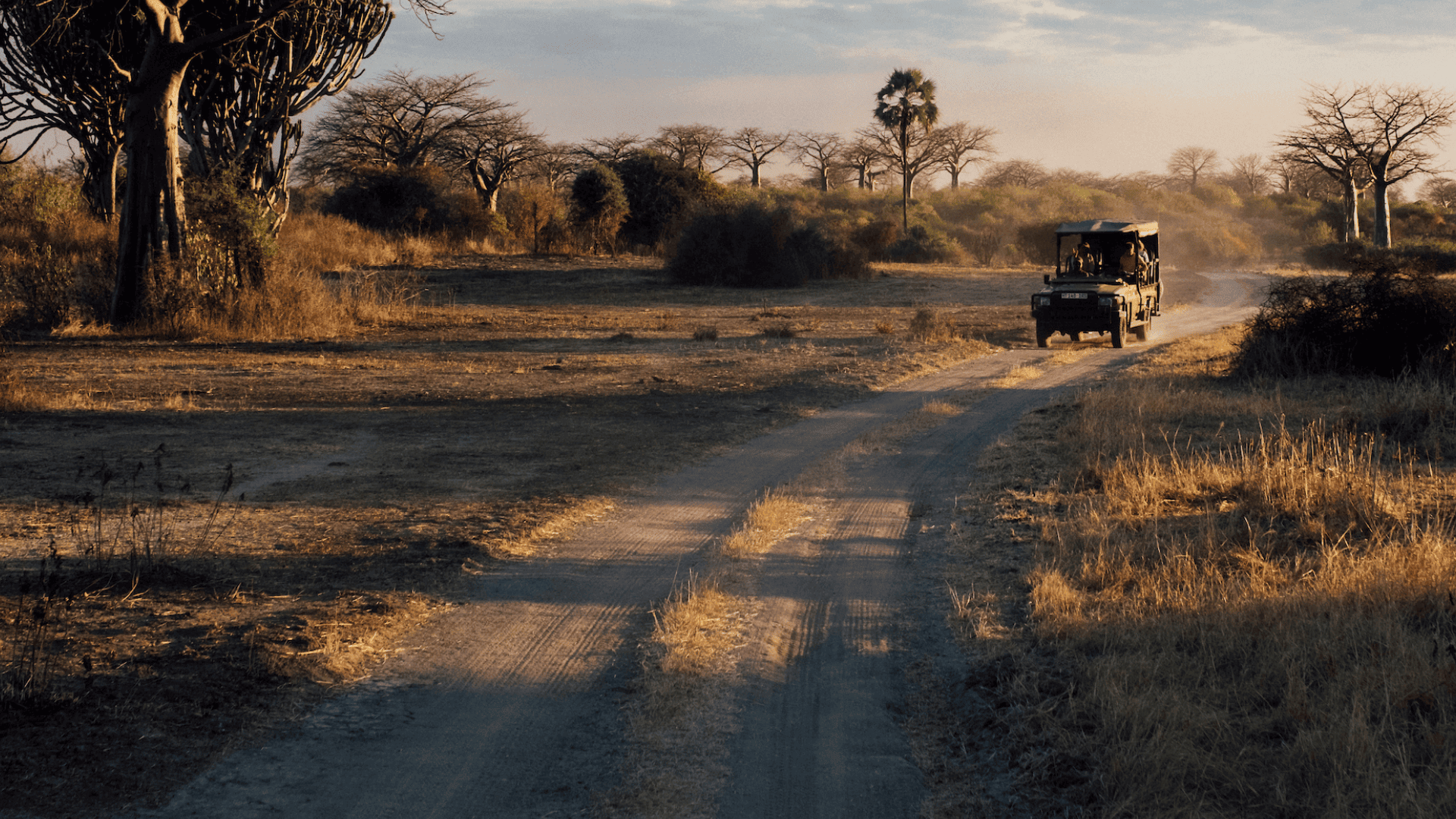
Multi-city travel across Tanzania and Kenya works best when it feels natural, not forced.
When your route is well thought out and your connections are practical, the entire trip becomes easier to manage. You're not dealing with unnecessary delays or long, tiring transfers, you're simply moving from one experience to the next.
Flightlink plays a quiet but important role in this. By connecting smaller airstrips, safari regions, and major hubs across East Africa, it allows you to travel in a way that fits the region rather than working around its limitations.
And in a place like this, that shift makes all the difference. The journey stops feeling like logistics and starts feeling like part of the experience.
1. How many days do you need for Kenya and Tanzania?
Around 10-14 days is a good balance. It gives you time for both safari regions and a coastal stop without rushing between locations.
2. Can you do Kenya and Tanzania together?
Yes, and it's a common route. With the right flight connections, moving between Nairobi, Maasai Mara, Arusha, Serengeti, and Zanzibar is very manageable.
3. Which month is best for Kenya and Tanzania?
June to October is ideal for safaris and migration movements. January to February is also strong for wildlife viewing, especially in the Serengeti.
4. What should I know before going on safari?
Sit Tight!
Preparing for an amazing journey

Destinations
Tanzania:
Kenya:
Information
More Info
Destinations
Tanzania:
Kenya:
Quick Search
Address
Tanzania HQ
3rd Floor, Oyster Pearl Galleria, Chole Road, Masaki. P.O.Box 2858, Dar es Salaam, TanzaniaKenya - HQ
Wilson Business Park, Wilson Airport. Karen, Langata Road, Nairobi, KenyaPhone Numbers
Flightlink Tanzania Call Centre TOLL FREE Number
0800 750 427Flightlink Global Call Centre Number
+255 750 017 230Whatsapp Reservations & Customer Support
+255 794 938 635Kenya
+254 207 903 652 / 53/ 54/ 55/ 56Emails
Tanzania - Reservations
centralreservations@flightlink.co.tzKenya - Reservations
reservations.kenya@flightlink.co.tzCustomer Service
customerservice@flightlink.co.tzWorking Hours
Call Center
Open Daily | 6:00 AM – 10:00 PM






© 2026 Flightlink. All rights reserved. Designed & Developed By DotSyndicate